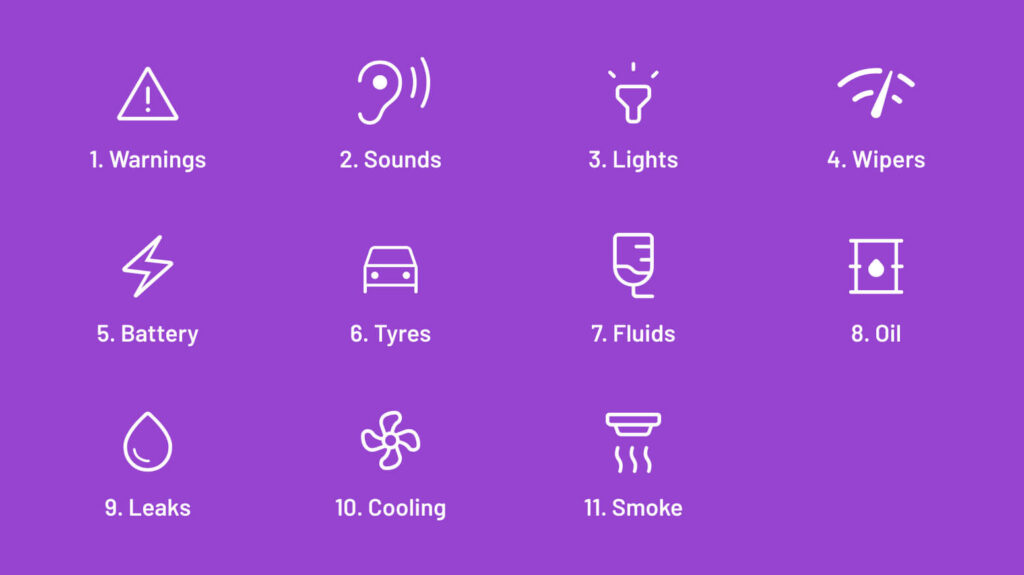

At Angle Auto Finance, we’re here for you and in it for the long haul. We want you behind the wheel and cruising along safely for years to come. So that means keeping on top of regular maintenance, beyond your scheduled servicing. Not sure what that looks like? Here’s our list of upkeep tips and tricks, tailored to all experience levels – from easy checks, to when it might be time to call in the pros.
Before we get up to speed, a few things to remember:
It’s important to know and comply with your vehicle’s servicing schedule – if in doubt, speak to your dealership service centre.
Where you drive and park your car will impact how you should maintain it. If you’re near the beach, salt water and winds can corrode the body of your car over time. If you’re in a more rural area, different sands, mud, and rocky terrain can put more strain on your suspension. Keep these environmental factors in mind and communicate them to your mechanic during your regular servicing.
For those with a new car under warranty, get familiar with any maintenance specifications laid out by the manufacturer to ensure you’re meeting your warranty period requirements.
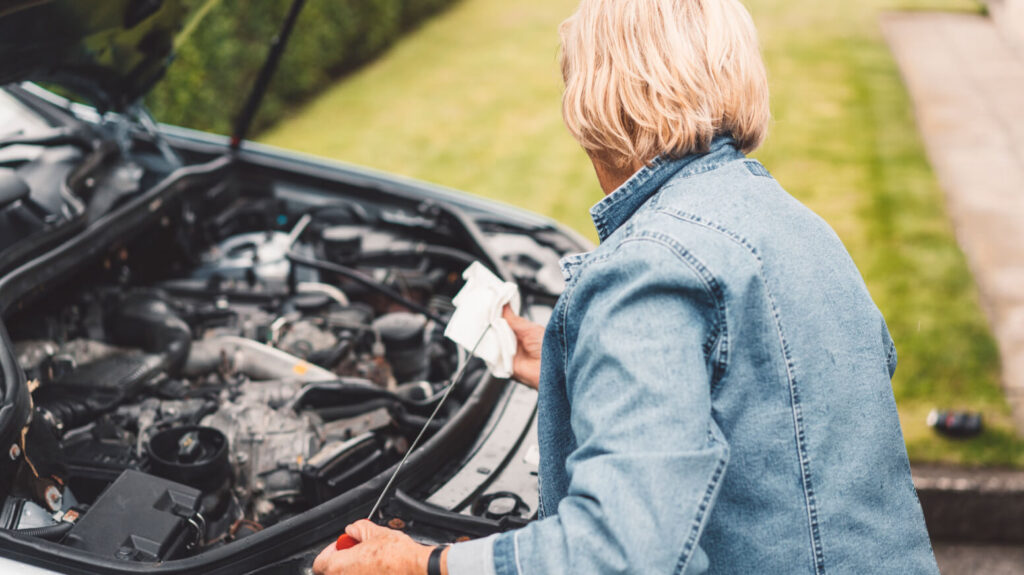
Easy checks
These are the things you can regularly monitor yourself. Take note of them every time you take your car out.
1. Dashboard warnings
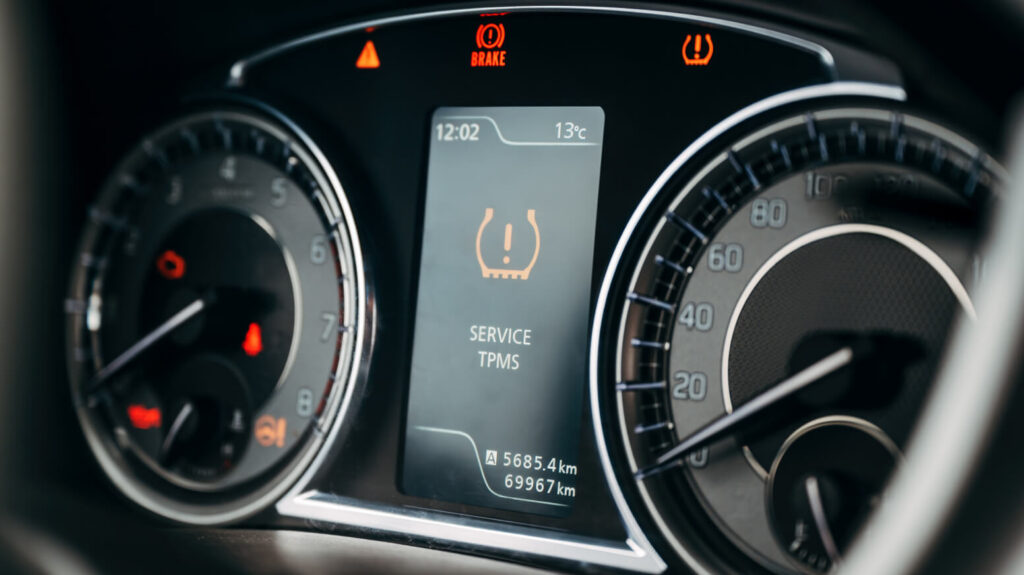
Even if you can’t remember what they all mean, it’s crucial to pay attention to when these lights turn on. Spot an orange symbol? Plan a visit to a service centre at your earliest convenience. If a red symbol appears, take action – you might even need to give roadside assistance a call. If in doubt about what a warning light means, refer to your owner’s manual or contact your dealership service centre.
2. Sounds
Familiarise yourself with the noises of your car. Whether it’s the sound of your car starting, or the hum it makes when it’s running. Being attuned to these will make it easy to detect when something sounds off. Keep an extra ear out when turning or going over speed humps. Knock, crunch, or squeak sounds could indicate trouble with your steering or suspension.
3. Headlights, indicators, brake, and parking lights
Ask a friend or family member to check if they’re working. If you’re by yourself, you can see whether all your lights are in order by checking your car’s reflection in a window or even against a wall. Newer cars generally alert you to a bulb being out with a warning light on the dashboard. Refer to your owner’s manual to check if your car does this. It’s also worth monitoring your lights for cracks, which can let water in and potentially lead to further electrical problems.
4. Wipers and wiper fluid
Don’t underestimate the need to keep your windscreen in top condition. Look out for wear or damage to the rubber on your wiper blades and replace them if they’re leaving you with suboptimal vision. Wiper fluid often runs out quickly. Luckily, it’s a breeze to refill and how to do so will be covered in your owner’s manual. You can use washer fluid, or even fresh water with a wiper-fluid additive. And you can pick these up (along with new wipers when needed) at your nearest auto parts store.
5. Battery maintenance
If you’re not driving the car daily, it’s a good idea to start and run it once a week for at least an hour. This will help sustain battery voltage levels and ensure engine oil is circulating to keep everything healthy.
When you might need help
When you feel out of your depth, it’s always good to ask for advice. Here are a few instances where a second pair of eyes (or hands) might be useful.
1. Replacing and inflating tyres
How often you should be replacing your tyres depends on a few things, like the type and grade of the tyres and how and where you drive them. A general rule of thumb says you should be doing this every 40,000 km*. In the meantime, you can keep them topped up with air from your local service station. Just be mindful of over-inflating them – that’s a safety risk in itself. Always follow the tyre pressure guidelines listed in your vehicle or owner’s manual.
2. Checking and refilling fluids
If you maintain a regular service schedule, you shouldn’t need to refill any fluids other than wiper fluid. However, it’s still a good idea to look out for low fluid level signals like dashboard warnings or puddles underneath your car. If you see any of these signs, it’s best to pay your dealership service centre a visit as soon as possible so they can diagnose the underlying problem.
3. Checking and refilling engine oil
Similarly to low fluid levels, low engine oil likely indicates an underlying problem. Whilst checking and refilling engine oil will be done by your mechanic during your scheduled servicing, it’s still a good idea to look out for signals, like a low oil level warning on your dashboard. Refer to your owner’s manual to check how low engine oil will be signalled. Your manual should also indicate which specific grade of oil should be used. When engine oil is low, top up with that specific grade enough to get to your dealership service centre – it’s best not to continue driving until you’ve done so.

Signs to watch for
If you’re noticing anything out of the ordinary with your car, from strange sounds to quick-draining radiator fluid, it’s best to get it looked at. Here are some warning signs to look out for between regular services.
1. Leaking and stains
If any of your fluid levels are decreasing faster than usual, this could be sign of a bigger problem. Likewise, if you’re frequently seeing puddles or stains on the ground where your car is parked, this indicates there is a leak somewhere. We’d recommend getting this checked as soon as possible as low fluids, such as water coolant levels, can cause overheating and damage to the engine.
2. Kinks, swells, and cracks in cooling system
Any indication of damaged or irregular-looking pipes could be a sign of temperature issues, pressure issues, aging, or chemical corrosion. A swollen radiator hose, for example, could mean ineffective coolant circulation. If ignored, these issues could lead to further complications and irreparable engine damage.
3. Smoke
Obvious smoke coming from your exhaust pipe is not a good thing. Depending on the colour and density of the smoke, it might hint at longer-term mechanical problems under the hood. Smoke coming from your bonnet is also never good and should not be ignored. It could be the cause of electrical fire, water explosion or a break in engine components. If you see smoke emerge from your bonnet, it’s best to pull over and contact roadside assistance.
Here’s to your car getting you from A, all the way to Z (and back again).