

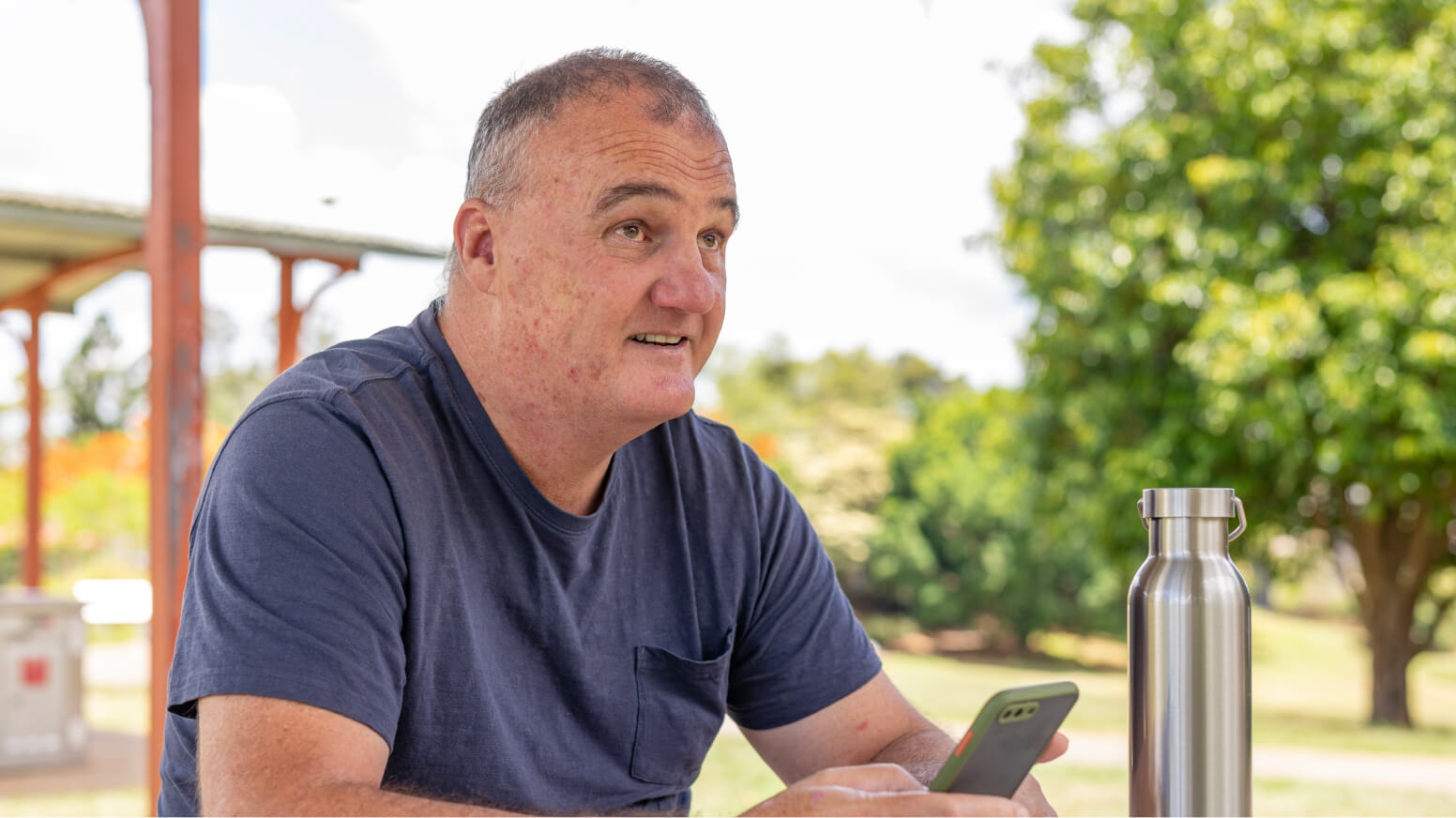
Life doesn’t always go to plan. For many Australians, unexpected events such as illness, injury, or job loss can make it difficult to keep up with financial commitments. At Angle Auto Finance, we understand that financial hardship can happen to anyone — and we’re here to help.
This case study shares the story of Clint*, a carpenter from Craigieburn, Victoria. Clint’s journey shows how we work with customers to find practical solutions when circumstances change.
Meet Clint
Clint is a hardworking carpenter who lives in Craigieburn with his wife and two young daughters. For years, he built his career around physical labour, relying on his skills and strength to provide for his family.
But when Clint suffered a serious injury, he was suddenly unable to continue in his trade. His rehabilitation meant time away from work, and he began considering new career options that would be less physically demanding.
While Clint focused on his recovery, another challenge emerged: his car loan.
- Customer: Clint
- Car: 2022 Ford Ranger
- Monthly repayments: $800
- Outstanding balance: $50,000
With no income from carpentry and household expenses piling up, Clint struggled to keep up with his $800 monthly repayments. He knew he needed a solution before the situation became overwhelming.
Understanding Financial Hardship
Financial hardship occurs when an unexpected event makes it difficult to meet your financial obligations. Common causes include:
- Job loss or reduced income
- Illness or injury
- Relationship breakdown
- Natural disasters or emergencies
At Angle Auto Finance, we treat hardship cases with empathy and flexibility. If you’re struggling, you may be eligible for hardship assistance. This may involve adjusting repayments, restructuring your loan, or exploring options such as selling the vehicle.
Our dedicated Financial Hardship page explains the process in detail, including how to apply and what information you’ll need to provide.
FAQ: What happens if I can’t make my repayments?
If you miss repayments, interest will continue to accrue, and your loan balance may increase. Missed payments can also lead to late fees and affect your credit history. That’s why it’s important to contact us early. We can work with you to find a manageable solution before the debt becomes unmanageable.
Clint’s options
When Clint reached out, we discussed several possible paths:
- Deferral of repayments — temporarily pausing payments to give him breathing space.
- Restructuring the loan — reducing monthly repayments by extending the loan term.
- Selling the vehicle — using the proceeds to reduce the outstanding balance.
After reviewing his situation, Clint decided that selling his Ford Ranger was the most practical option. The vehicle was in excellent condition, and he knew it would attract buyers.
The private sale
Clint found a buyer willing to pay $42,000 for his 2022 Ford Ranger. We verified this as fair market value.
- Outstanding loan balance: $50,000
- Sale price: $42,000
- Shortfall: $8,000
This left Clint with an $8,000 payout shortfall — money he couldn’t afford to pay upfront.
FAQ: What is a payout shortfall?
A payout shortfall occurs when the amount you receive from selling your car is less than the remaining balance on your loan. In Clint’s case, the shortfall was $8,000.
How we helped
To simplify the process, we coordinated directly with the buyer. The $42,000 sale price was paid straight into Clint’s loan account. Once the funds cleared, we released the security interest (PPSR) and finalised the sale.
That left Clint with the $8,000 shortfall. Rather than demand immediate payment, we worked with him to create a manageable repayment plan. Clint now pays $400 per month, giving him a clear path to repay the balance without overwhelming his household budget.
FAQ: Will interest still apply after selling the car?
Yes. Interest continues to accrue on any remaining loan balance until it is fully repaid. Clint’s $8,000 shortfall is subject to interest, but his repayment plan ensures he can manage it comfortably.
The outcome
Clint’s case shows that even in difficult circumstances, there are solutions. By selling his car and restructuring the shortfall, Clint:
- Reduced his $50,000 loan balance significantly.
- Avoided defaulting on his repayments.
- Secured a repayment plan that fits his current financial situation.
- Freed himself to focus on recovery and exploring new career opportunities.
Most importantly, Clint regained peace of mind. He no longer worries about unmanageable repayments and can concentrate on his health and family.
Lessons from Clint’s story
Clint’s experience highlights several important points for anyone facing financial hardship:
- Act early. The sooner you contact your lender, the more options you’ll have.
- Be honest. Sharing your situation helps us tailor solutions to your needs.
- Know your options. Repayment deferrals, loan restructuring, and vehicle sales are all possible pathways.
- Understand shortfalls. If you sell your car, you may still owe money if the sale price doesn’t cover the loan balance.
- Plan for interest. Remaining balances will continue to accrue interest until repaid.
FAQs about Financial Hardship
Q: How do I apply for hardship assistance?
You can apply online through our hardship application form or call us directly at 1300 561 869. We’ll guide you through the process and ask for details about your situation.
Q: Will applying for hardship affect my credit score or credit history?
Requesting hardship assistance or entering into a hardship arrangement will not affect your credit score. In fact, it can help you avoid missed repayments that would otherwise harm your credit score. However, your credit history will show that you have entered a financial hardship arrangement, and your credit score will be affected by any reported missed repayments (both under and outside of an agreed arrangement). By working with us, you can protect your credit history while managing your loan responsibly.
Q: Can I sell my car if it’s under finance?
Yes. You can sell your car privately or through a dealer, but the buyer’s payment must go directly to your loan account. Once the balance is cleared, we release the security interest.
Q: What if I can’t cover the shortfall?
We can work with you to set up a repayment plan for any shortfall. This ensures you can pay the remaining balance in smaller, manageable instalments.
Q: What documents do I need to apply?
In most cases, we can finalise your request using the information you provide on the web form or over the phone. After assessing your personal circumstances, we may occasionally ask for evidence of hardship — such as insurance claim documents, medical certificates or proof of reduced income — just to make sure we fully understand your situation and can support you appropriately.
How Angle Auto Finance supports customers
At Angle Auto Finance, we believe in practical solutions and compassionate support. Every hardship case is unique, and we tailor our approach to suit each customer’s circumstances.
Our commitment includes:
- Flexible repayment options
- Clear communication
- Fair market value assessments
- Support for shortfall repayment plans
- Guidance through the PPSR release process
Navigating the road forward
Clint’s story is just one example of how we help customers navigate financial hardship. While his injury changed the course of his career, it didn’t have to derail his financial future. By working together, we found a solution that reduced stress and gave him a clear path forward.
If you’re facing financial hardship, don’t wait until repayments become overwhelming. Reach out to us today. Whether it’s restructuring your loan, deferring repayments, or exploring a private sale, we’ll help you find the right solution for your situation.
Contact us
Call us at 1300 561 869 or apply online to start the process.
Extra support is just a call away
There’s always a way forward. If you need help managing your finances, give the National Debt Helpline a call (1800 007 007) and connect with a Financial Counsellor who can guide you through it.
Important information:
* Name and personal details changed to protect the customer’s confidentiality.